Planning a Reliable Year-Round Heating and Cooling Strategy for Central Illinois Properties
Homeowners and small businesses in Central Illinois face quick weather swings that stress equipment and comfort. Assess how your space gains and loses heat before you think about upgrades. Square footage, insulation levels, and window orientation all shape capacity needs. A right-sized system reduces short cycling, lowers utility strain, and preserves parts. Begin with a load calculation to frame expectations and set a baseline for future decisions.
Meanwhile, sequence your HVAC choices by lifecycle. Evaluate existing equipment age, warranty status, and service history, then scope replacements where repair costs outpace remaining life. Heating Installation and Repair frequently intersects with safety checks, so factor combustion venting, gas line condition, and electrical capacity into your plan. For cooling, similar diligence around refrigerant type and coil condition informs whether repair or replacement makes practical sense.
Often, indoor comfort is hampered by airflow issues rather than equipment failure. Inspect ductwork for kinks, gaps, or undersized runs, and verify return paths are adequate in each zone. Duct Cleaning can restore static pressure and reduce debris that chokes filters. Beyond that, sealing and insulating ducts in attics or crawlspaces buffers temperature loss, helping your furnace and air conditioner deliver the output you already paid for.
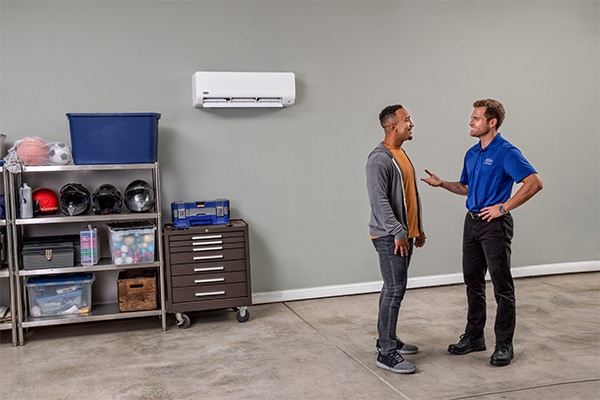
However, homes without existing ducts or with difficult layouts benefit from Ductless AC Installation. These systems allow room-by-room zoning and can reduce the need for invasive remodeling. Document where indoor heads will mount, plan condensate routing, and validate electrical availability for outdoor units. In mixed-use buildings, separating office and warehouse zones with dedicated controls can simplify scheduling and reduce after-hours runtime.
Then, refine Indoor Air Quality with simple, serviceable components. Start by selecting filter ratings that balance capture efficiency against airflow. Add ventilation strategies where tight envelopes trap humidity and odors. In practice, bath fans, kitchen hoods, and energy recovery ventilators complement filtration to dilute contaminants. Regularly replace filters and confirm fans are moving their rated air, since neglected accessories undermine otherwise sound systems.
Beyond budgeting for equipment, stage funds for commissioning and follow-ups. Calibrate thermostats, verify temperature splits, and validate airflow at registers after installation. AC Installation and Repair should include checks for proper charge, drain performance, and coil cleanliness. For heating, verify ignition sequence, flame quality, and safety shutoffs. A documented startup snapshot becomes your reference for seasonal tune-ups and helps catch drift before comfort degrades.
Similarly, craft a maintenance calendar that aligns with local seasons. Schedule heating inspections late summer and cooling tune-ups in early spring to beat peak demand. Maintain clearances around outdoor units by trimming vegetation and clearing debris, which preserves airflow and reduces noise. Indoors, keep supply and return grilles unobstructed. Small habits like these extend life, keep warranties intact, and reduce surprise outages when weather turns.
Additionally, think about controls strategy. Smart thermostats and zoning panels can match occupancy patterns without overcomplicating day-to-day use. Buffer schedules for mornings and shift changes so equipment isn’t forced into sudden extremes. For multi-tenant or mixed-usage properties, assign permissions carefully and document setpoints to avoid tug-of-war adjustments that increase wear and inflate bills unnecessarily.
Finally, ensure your project meets local code and utility requirements. Inspect permits, combustion air rules, and electrical disconnect placements before work begins. Validate clearances for furnaces, air handlers, and condensers so service access remains safe. Keep install photos, manuals, and serials together for future reference. When replacement is planned with this level of care, you reduce rework, streamline warranty claims, and protect long-term comfort.
Altogether, a disciplined approach—right-sizing, airflow tuning, clean distribution, and seasonal maintenance—builds resilience into your heating and cooling. Whether you’re weighing repair versus replacement or mapping an expansion, a clear scope and staged milestones help you manage risk. HVAC work done with verified measurements, documented commissioning, and consistent follow-up supports dependable comfort through Central Illinois’ wide temperature swings.